



Exploring the Benefits of Zinc Aluminium Coils in Construction: A Comprehensive Guide
2026-04-13
Exploring the Benefits of Zinc Aluminium Coils in Construction
Table of Contents
1. Introduction to Zinc Aluminium Coils
2. Composition and Properties of Zinc Aluminium Coils
3. Key Benefits of Using Zinc Aluminium Coils in Construction
3.1. Exceptional Corrosion Resistance
3.2. Enhanced Durability and Longevity
3.3. Lightweight Yet Strong
3.4. Aesthetic Versatility
3.5. Eco-Frie
Exploring the Benefits of Zinc Aluminium Coils in Construction
Table of Contents
1. Introduction to Zinc Aluminium Coils
2. Composition and Properties of Zinc Aluminium Coils
3. Key Benefits of Using Zinc Aluminium Coils in Construction
3.1. Exceptional Corrosion Resistance
3.2. Enhanced Durability and Longevity
3.3. Lightweight Yet Strong
3.4. Aesthetic Versatility
3.5. Eco-Friendly and Sustainable
4. Applications of Zinc Aluminium Coils in the Construction Industry
4.1. Roofing Solutions
4.2. Facade Cladding
4.3. Structural Components
5. Comparison with Other Materials
5.1. Zinc Aluminium vs. Traditional Galvanized Steel
5.2. Zinc Aluminium vs. Aluminum Alloys
6. Installation and Maintenance of Zinc Aluminium Coils
7. Frequently Asked Questions
8. Conclusion
1. Introduction to Zinc Aluminium Coils
Zinc aluminium coils have emerged as a formidable material in the construction sector. Their unique composition combines the corrosion-resistant properties of zinc with the strength and lightness of aluminium, creating a versatile solution for a variety of applications. As building standards evolve to prioritize durability and sustainability, understanding the benefits of zinc aluminium coils becomes increasingly vital for contractors, architects, and builders.
2. Composition and Properties of Zinc Aluminium Coils
Zinc aluminium coils consist primarily of a blend of zinc and aluminium, typically in a ratio where zinc accounts for about 55% and aluminium approximately 43%. This unique combination results in a metallic coating that offers superior protection against corrosion. Additionally, the presence of aluminium enhances the material's resistance to damage from environmental factors, making it ideal for exterior applications.
The properties of zinc aluminium coils are noteworthy. They exhibit excellent thermal conductivity, making them suitable for various temperature-sensitive applications. Furthermore, their lightweight nature reduces the burden on structural components, while their inherent strength ensures stability and resilience.
3. Key Benefits of Using Zinc Aluminium Coils in Construction
3.1. Exceptional Corrosion Resistance
One of the standout features of zinc aluminium coils is their exceptional resistance to corrosion. The zinc coating serves as a barrier against moisture and environmental pollutants, significantly extending the lifespan of the material. Unlike traditional steel, which may succumb to rust and degradation over time, zinc aluminium maintains its integrity, reducing maintenance costs and enhancing the long-term viability of construction projects.
3.2. Enhanced Durability and Longevity
Zinc aluminium coils are designed to withstand extreme weather conditions, including heavy rain, snow, and intense sunlight. Their durability makes them an excellent choice for both residential and commercial buildings. Projects utilizing these coils benefit from fewer repairs and replacements over time, ensuring a higher return on investment.
3.3. Lightweight Yet Strong
The lightweight nature of zinc aluminium coils is a critical advantage in construction. Weighing significantly less than traditional steel, these coils are easier to handle and install, reducing labor costs and project timelines. Despite their lightness, they do not compromise on strength, making them a reliable option for various structural applications.
3.4. Aesthetic Versatility
Zinc aluminium coils can be finished in various colors and textures, allowing for aesthetic flexibility in architectural designs. Whether used for roofing, cladding, or interior applications, these coils can complement a wide range of design styles. Their sleek appearance adds a modern touch to buildings, enhancing their overall visual appeal.
3.5. Eco-Friendly and Sustainable
Sustainability is a growing concern in the construction industry, and zinc aluminium coils align well with eco-friendly practices. The materials used in their production are recyclable, and their long lifespan reduces the need for frequent replacements, minimizing waste. By opting for zinc aluminium coils, builders contribute to a more sustainable construction process.
4. Applications of Zinc Aluminium Coils in the Construction Industry
4.1. Roofing Solutions
Zinc aluminium coils are widely utilized in roofing applications due to their lightweight nature and corrosion resistance. They can be formed into various shapes and profiles, providing both functionality and aesthetic appeal. Roofs made from these coils can withstand harsh weather conditions, ensuring longevity and protection for the structure beneath.
4.2. Facade Cladding
The versatility of zinc aluminium coils makes them ideal for facade cladding. Architects can create unique and visually striking building exteriors while benefiting from the material's durability. The combination of aesthetics and performance allows for innovative design possibilities.
4.3. Structural Components
Beyond roofing and cladding, zinc aluminium coils are frequently used for structural components, such as beams and supports. Their strength-to-weight ratio allows for the design of lighter, more efficient structures without sacrificing stability.
5. Comparison with Other Materials
5.1. Zinc Aluminium vs. Traditional Galvanized Steel
While both zinc aluminium and galvanized steel offer corrosion resistance, zinc aluminium provides superior longevity due to its unique coating composition. Galvanized steel may require more frequent maintenance and replacement, whereas zinc aluminium coils generally outperform in durability.
5.2. Zinc Aluminium vs. Aluminum Alloys
Aluminium alloys are known for their lightweight and corrosion-resistant properties, but they often lack the strength needed for certain construction applications. Zinc aluminium combines the best of both worlds, offering both lightness and strength, making it a preferred choice for demanding construction projects.
6. Installation and Maintenance of Zinc Aluminium Coils
The installation process for zinc aluminium coils is straightforward, thanks in part to their lightweight characteristics. Proper installation techniques must be followed to ensure optimal performance and longevity. Regular inspections and maintenance are essential, although the low maintenance requirements of zinc aluminium coils mean that they typically require less attention than other materials.
7. Frequently Asked Questions
**Q1: What is the lifespan of zinc aluminium coils in construction?**
A1: Zinc aluminium coils can last significantly longer than traditional materials, often exceeding 50 years with minimal maintenance.
**Q2: How do zinc aluminium coils perform in extreme weather conditions?**
A2: They are designed to withstand harsh weather conditions, including heavy rain, snow, and UV exposure, without compromising their structural integrity.
**Q3: Are zinc aluminium coils environmentally friendly?**
A3: Yes, they are recyclable and contribute to sustainable construction practices by reducing waste and the need for frequent replacements.
**Q4: Can zinc aluminium coils be painted?**
A4: Yes, they can be finished in various colors and textures, enhancing their aesthetic appeal in architectural designs.
**Q5: How do zinc aluminium coils compare to other roofing materials?**
A5: Zinc aluminium coils outperform many traditional roofing materials in terms of durability, corrosion resistance, and weight, making them an excellent choice for modern constructions.
8. Conclusion
In conclusion, zinc aluminium coils represent a transformative material in the construction industry, offering an array of benefits that align with modern building needs. Their exceptional corrosion resistance, durability, lightweight properties, aesthetic versatility, and eco-friendliness make them an ideal choice for a range of applications. As we continue to seek innovative solutions in construction, zinc aluminium coils will undoubtedly play a pivotal role in shaping the future of building materials. By understanding and leveraging these benefits, builders and architects can enhance the quality and sustainability of their projects, paving the way for a more resilient and visually compelling built environment.
Key words:
RELATED INFORMATION
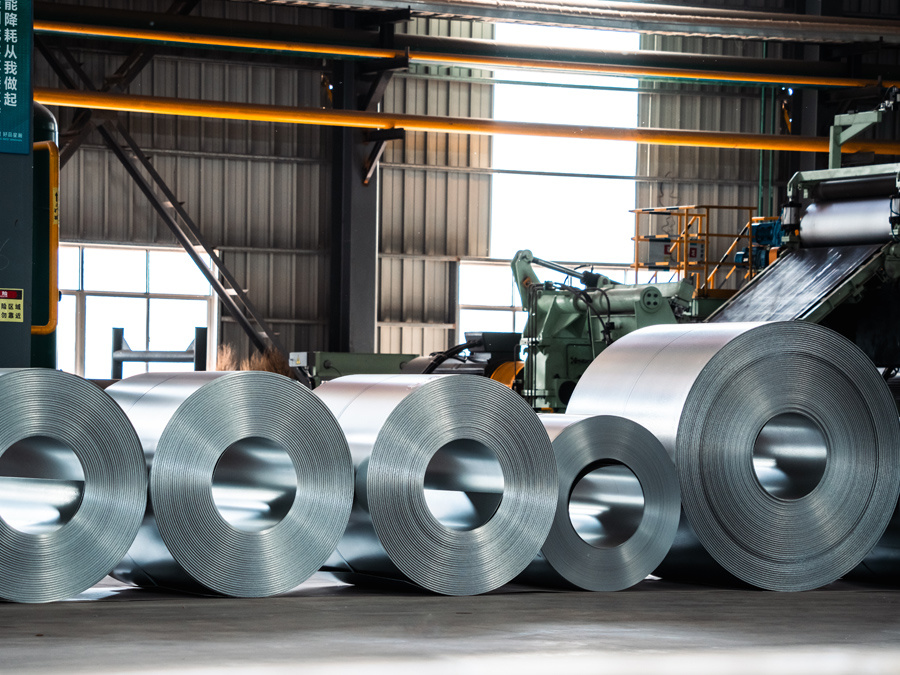
Exploring the Benefits of Zinc Aluminium Coils in Construction: A Comprehensive Guide
Exploring the Benefits of Zinc Aluminium Coils in Construction
Table of Contents
1. Introduction to Zinc Aluminium Coils
2. Composition and Properties of Zinc Aluminium Coils
3. Key Benefits of Using Zinc Aluminium Coils in Construction
3.1. Exceptional Corrosion Resistance
3.2. Enhanced Durability and Longevity
3.3. Lightweight Yet Strong
3.4. Aesthetic Versatility
3.5. Eco-Frie
2026-04-13
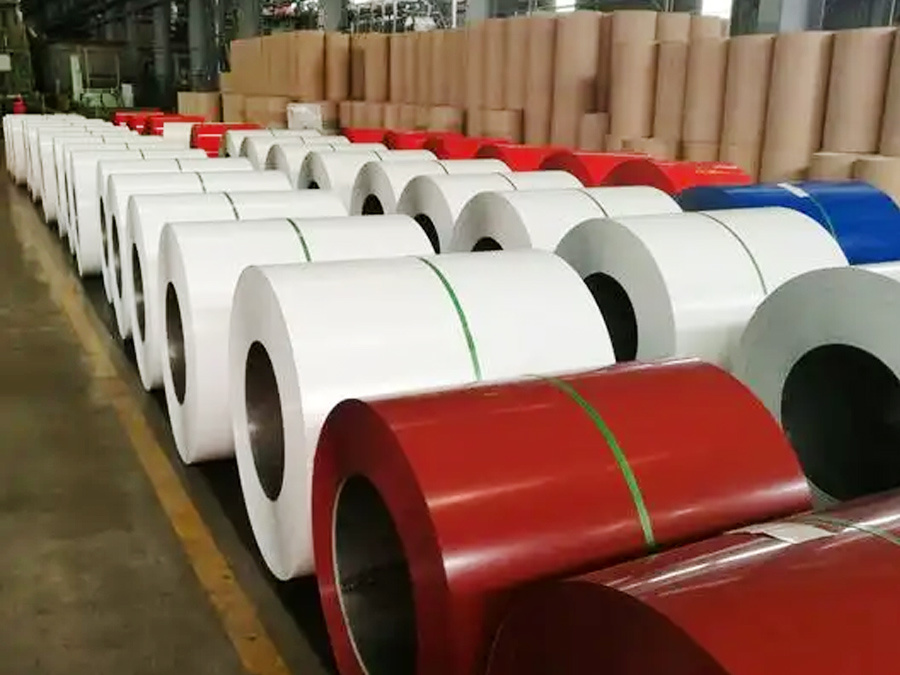
Understanding Zinc Coated GI Coil: A Comprehensive Guide
Zinc coated GI coil, also known as galvanized iron coil, is a product that has gained prominence in various industrial applications, particularly in the sectors of metallurgy and energy. It is created by coating iron or steel coils with a layer of zinc to enhance their corrosion resistance and durability. This unique treatment not only extends the lifespan of the material but also improves its aes
2026-04-06
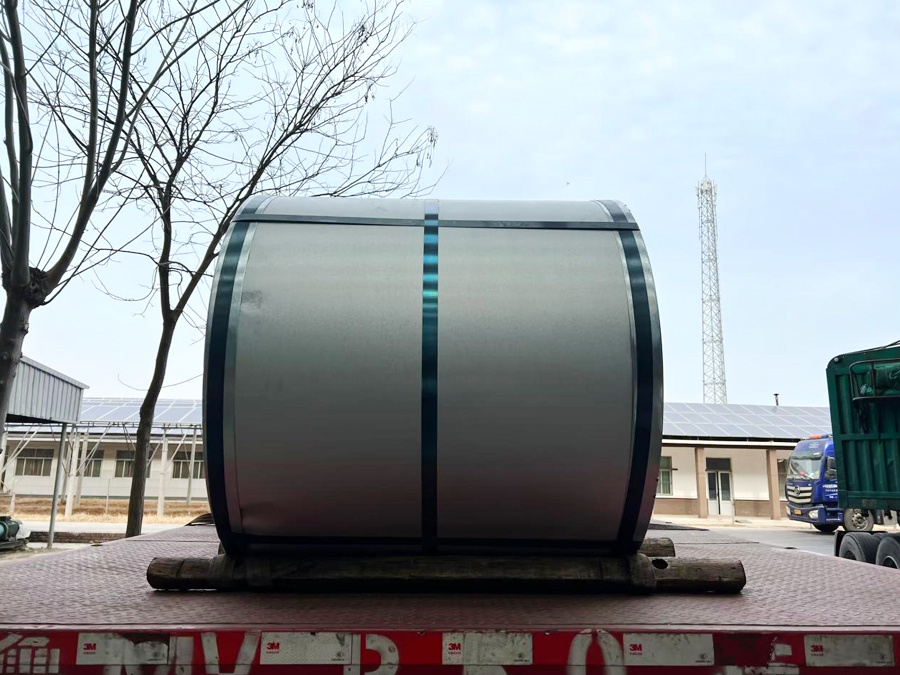
Top 5 Advantages of Using Galvanized Steel in Architecture
Top 5 Advantages of Using Galvanized Steel in Architecture
Introduction to Galvanized Steel in Architecture
In the ever-evolving landscape of architecture and construction, the materials used play a crucial role in the durability, aesthetics, and functionality of structures. Among these materials, galvanized steel has emerged as a preferred choice for architects and builders alike. This article
2026-03-30


Service E-mail
WhatsApp / Tel / Wechat:
Address
China Hebei Shijiazhuang 30 / F, Block B, China Resources City
To inquire about our products, please leave your email to us and we will contact you within 24 hours.