



Understanding Zinc Coated GI Coil: A Comprehensive Guide
2026-04-06
Zinc coated GI coil, also known as galvanized iron coil, is a product that has gained prominence in various industrial applications, particularly in the sectors of metallurgy and energy. It is created by coating iron or steel coils with a layer of zinc to enhance their corrosion resistance and durability. This unique treatment not only extends the lifespan of the material but also improves its aes
Zinc coated GI coil, also known as galvanized iron coil, is a product that has gained prominence in various industrial applications, particularly in the sectors of metallurgy and energy. It is created by coating iron or steel coils with a layer of zinc to enhance their corrosion resistance and durability. This unique treatment not only extends the lifespan of the material but also improves its aesthetic appeal, making it suitable for a wide range of applications, including roofing, siding, and automotive components.
The galvanization process involves immersing the base metal in molten zinc or applying a zinc coating through electroplating. This creates a protective layer that acts as a barrier against environmental factors such as moisture, air, and pollutants, which are the primary causes of corrosion. The thickness of the zinc layer can vary, allowing manufacturers to tailor the product to meet specific performance requirements. This adaptability is one of the reasons why zinc coated GI coils are so widely used in construction and manufacturing.
In addition to corrosion resistance, zinc coated GI coils offer excellent mechanical properties, making them suitable for various applications where strength and flexibility are essential. They can be easily formed, welded, and painted, allowing for a variety of finishes that can meet aesthetic and functional requirements. This versatility makes them a popular choice among builders and manufacturers looking for reliable materials.
The environmental aspect of zinc coated GI coils is also noteworthy. Zinc is a naturally occurring element that is abundant in the earth's crust. It is recyclable, which contributes to sustainable practices in the industry. When zinc coated products reach the end of their life cycle, they can be recycled and repurposed, reducing waste and conserving natural resources.
In summary, zinc coated GI coil is a vital material in the metallurgy and energy sectors, known for its durability, versatility, and environmentally friendly properties. Understanding its characteristics and applications can help businesses make informed decisions when choosing materials for construction and manufacturing projects. As industries continue to evolve, the role of zinc coated GI coils will likely expand, reinforcing their importance in producing high-quality, long-lasting products. Embracing such materials not only enhances the performance of end products but also supports sustainable development practices within the industry.
The galvanization process involves immersing the base metal in molten zinc or applying a zinc coating through electroplating. This creates a protective layer that acts as a barrier against environmental factors such as moisture, air, and pollutants, which are the primary causes of corrosion. The thickness of the zinc layer can vary, allowing manufacturers to tailor the product to meet specific performance requirements. This adaptability is one of the reasons why zinc coated GI coils are so widely used in construction and manufacturing.
In addition to corrosion resistance, zinc coated GI coils offer excellent mechanical properties, making them suitable for various applications where strength and flexibility are essential. They can be easily formed, welded, and painted, allowing for a variety of finishes that can meet aesthetic and functional requirements. This versatility makes them a popular choice among builders and manufacturers looking for reliable materials.
The environmental aspect of zinc coated GI coils is also noteworthy. Zinc is a naturally occurring element that is abundant in the earth's crust. It is recyclable, which contributes to sustainable practices in the industry. When zinc coated products reach the end of their life cycle, they can be recycled and repurposed, reducing waste and conserving natural resources.
In summary, zinc coated GI coil is a vital material in the metallurgy and energy sectors, known for its durability, versatility, and environmentally friendly properties. Understanding its characteristics and applications can help businesses make informed decisions when choosing materials for construction and manufacturing projects. As industries continue to evolve, the role of zinc coated GI coils will likely expand, reinforcing their importance in producing high-quality, long-lasting products. Embracing such materials not only enhances the performance of end products but also supports sustainable development practices within the industry.
Key words:
RELATED INFORMATION
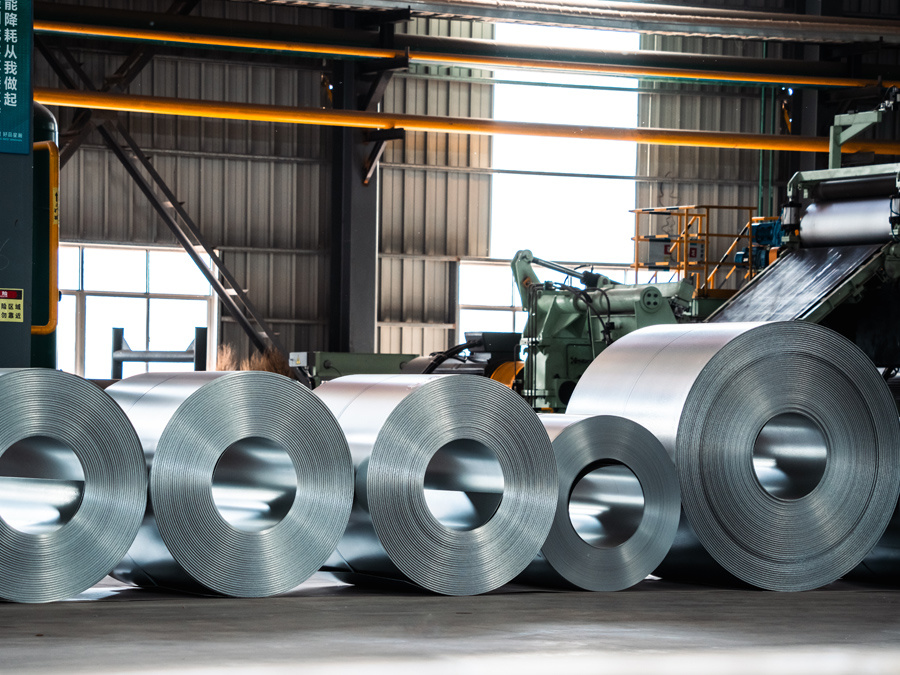
Exploring the Benefits of Zinc Aluminium Coils in Construction: A Comprehensive Guide
Exploring the Benefits of Zinc Aluminium Coils in Construction
Table of Contents
1. Introduction to Zinc Aluminium Coils
2. Composition and Properties of Zinc Aluminium Coils
3. Key Benefits of Using Zinc Aluminium Coils in Construction
3.1. Exceptional Corrosion Resistance
3.2. Enhanced Durability and Longevity
3.3. Lightweight Yet Strong
3.4. Aesthetic Versatility
3.5. Eco-Frie
2026-04-13
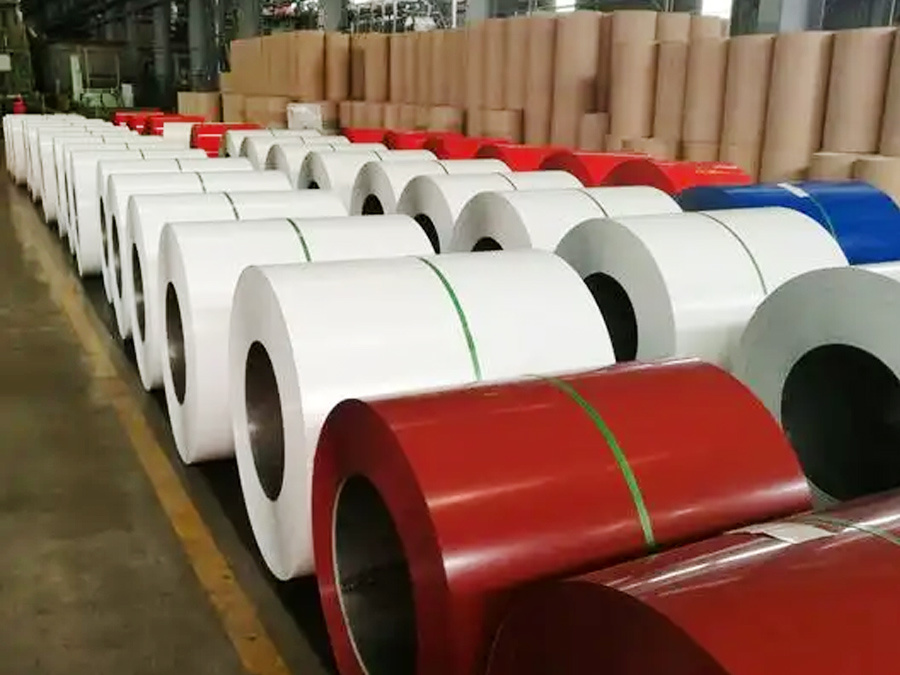
Understanding Zinc Coated GI Coil: A Comprehensive Guide
Zinc coated GI coil, also known as galvanized iron coil, is a product that has gained prominence in various industrial applications, particularly in the sectors of metallurgy and energy. It is created by coating iron or steel coils with a layer of zinc to enhance their corrosion resistance and durability. This unique treatment not only extends the lifespan of the material but also improves its aes
2026-04-06
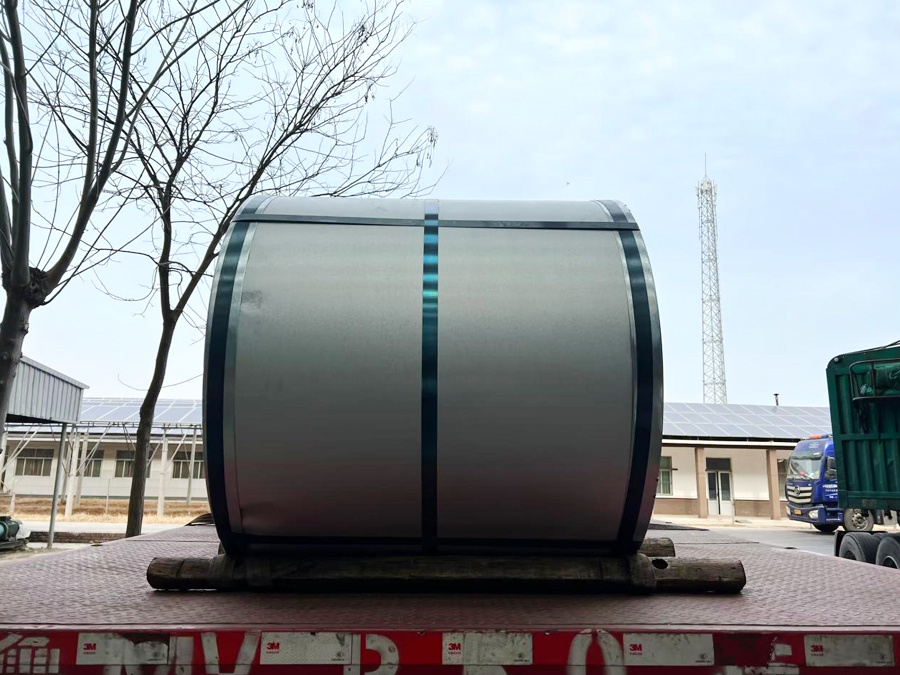
Top 5 Advantages of Using Galvanized Steel in Architecture
Top 5 Advantages of Using Galvanized Steel in Architecture
Introduction to Galvanized Steel in Architecture
In the ever-evolving landscape of architecture and construction, the materials used play a crucial role in the durability, aesthetics, and functionality of structures. Among these materials, galvanized steel has emerged as a preferred choice for architects and builders alike. This article
2026-03-30


Service E-mail
WhatsApp / Tel / Wechat:
Address
China Hebei Shijiazhuang 30 / F, Block B, China Resources City
To inquire about our products, please leave your email to us and we will contact you within 24 hours.