



How Channel Steel Enhances Structural Integrity in Building Projects
2026-03-03
How Channel Steel Enhances Structural Integrity in Building Projects
Introduction to Channel Steel in Construction
When it comes to modern building projects, the materials selected can significantly impact the structural integrity and longevity of the structures. Among various construction materials, **channel steel** stands out due to its unique shape and properties. This article delves into how
How Channel Steel Enhances Structural Integrity in Building Projects
Introduction to Channel Steel in Construction
When it comes to modern building projects, the materials selected can significantly impact the structural integrity and longevity of the structures. Among various construction materials, **channel steel** stands out due to its unique shape and properties. This article delves into how channel steel enhances the structural integrity of building projects, discussing its characteristics, advantages, applications, and best practices in usage.
Understanding Channel Steel
Channel steel, often referred to as C-channel or U-channel, is a type of rolled steel that has a cross-section resembling the letter 'C'. This design provides remarkable strength and versatility, making it a popular choice in construction and structural applications. The **dimensions and weight** of channel steel can vary, allowing engineers and architects to select the appropriate size for specific project requirements.
The Composition of Channel Steel
Channel steel is primarily made from carbon steel, though it can also incorporate other alloys to enhance specific properties. The manufacturing process involves hot rolling or cold forming, resulting in various thicknesses and lengths. Understanding the composition of channel steel is crucial since it affects its **load-bearing capacity, durability, and resistance to environmental factors**.
Key Characteristics of Channel Steel
1. **High Strength-to-Weight Ratio**: Channel steel offers excellent strength while remaining lightweight, making it easier to handle and install.
2. **Versatility**: It can be used in numerous applications, including framing, bracing, and support systems.
3. **Corrosion Resistance**: When treated, channel steel can resist rust and degradation, extending the lifespan of structural components.
4. **Flexibility in Design**: The shape of channel steel allows for creative architectural designs without compromising structural integrity.
Benefits of Using Channel Steel in Building Projects
The use of channel steel in construction projects provides a multitude of benefits that contribute to enhanced structural integrity.
1. Improved Load Distribution
Channel steel is designed to distribute loads evenly across its length, which helps in managing forces acting on the structure. This characteristic is essential in preventing localized stresses that could lead to failure.
2. Enhanced Stability and Support
Due to its shape and design, channel steel provides superior lateral stability. It acts as a robust support system for various structural elements, including beams and columns, thereby reducing the risk of buckling and deformation.
3. Economical and Efficient
Incorporating channel steel can be a cost-effective option for builders. Its strength allows for lesser material usage while maintaining structural integrity, thus reducing overall costs. Furthermore, the lightweight nature of channel steel contributes to lower transportation and labor costs during installation.
4. Heightened Durability
Channel steel's inherent durability ensures that structures can withstand various environmental conditions. Its resistance to rust and corrosion, especially when galvanized, makes it ideal for outdoor applications and harsh environments.
Applications of Channel Steel in Construction
Channel steel is utilized across various sectors and applications within the construction industry. Understanding these applications can provide insights into its versatility and efficacy.
1. Structural Framing Systems
Channel steel serves as a fundamental component in structural framing, providing support for walls, roofs, and floors. Its ability to bear significant loads makes it a preferred choice for both residential and commercial buildings.
2. Reinforcements in Concrete Structures
In concrete applications, channel steel is often used as reinforcement. It enhances the tensile strength of concrete, preventing cracking and ensuring overall structural integrity.
3. Support for Heavy Machinery
In industrial settings, channel steel can be used to create robust support structures for heavy machinery and equipment. Its strength ensures that these systems remain stable and secure during operation.
4. Bridges and Infrastructure
Channel steel is widely used in the construction of bridges and infrastructural projects due to its strength and durability. It can withstand the dynamic loads encountered in these applications, ensuring safety and longevity.
Design Considerations for Channel Steel
While channel steel offers numerous benefits, specific design considerations must be taken into account to maximize its performance.
1. Load Calculations
Before incorporating channel steel into a project, it's crucial to conduct thorough load calculations. Understanding the anticipated loads and forces will guide the selection of appropriate channel steel dimensions and configurations.
2. Corrosion Protection
For projects exposed to moisture or harsh environments, applying protective coatings or galvanization to channel steel is vital. This treatment will enhance its lifespan and maintain structural integrity.
3. Connection Details
Proper connection techniques must be employed when using channel steel in construction. Welds, bolts, or rivets should be used appropriately to ensure that the connections can handle the loads imposed on them.
Best Practices for Working with Channel Steel
Adhering to best practices when working with channel steel can significantly improve the quality and longevity of the construction.
1. Quality Material Selection
Ensure that high-quality channel steel is sourced from reputable suppliers. This choice will guarantee that the material meets the necessary strength and durability standards.
2. Expert Installation
Hiring skilled professionals for the installation of channel steel components is crucial. Proper installation techniques will enhance the overall structural integrity and performance of the building.
3. Regular Inspections and Maintenance
Conducting regular inspections and maintenance on structures that utilize channel steel can help identify potential issues before they escalate. This proactive approach ensures ongoing safety and performance.
FAQs About Channel Steel and Structural Integrity
1. What is channel steel used for in construction?
Channel steel is commonly used for structural framing, reinforcements in concrete structures, supports for heavy machinery, and in infrastructure projects like bridges.
2. How does channel steel improve structural integrity?
Channel steel improves structural integrity by providing high strength-to-weight ratios, enhancing load distribution, and offering stability and support against lateral forces.
3. Is channel steel corrosion-resistant?
While channel steel is inherently susceptible to corrosion, treatments such as galvanization can significantly enhance its resistance to rust and degradation.
4. How do I determine the size of channel steel required for my project?
Determining the size of channel steel involves conducting load calculations and considering the specific design needs of the project. Consulting with an engineer can provide tailored advice.
5. Can channel steel be used in residential construction?
Yes, channel steel is versatile and can be effectively used in residential construction for framing and support systems, ensuring durability and strength.
Conclusion
Incorporating channel steel into building projects offers numerous advantages, significantly enhancing structural integrity. Its unique characteristics, including strength, durability, and versatility, make it an invaluable material in modern construction. By understanding its benefits, applications, and best practices, builders and architects can create robust, safe, and enduring structures. As the construction industry continues to evolve, the role of channel steel remains crucial in ensuring that buildings not only meet but exceed industry standards for safety and performance.
Key words:
RELATED INFORMATION
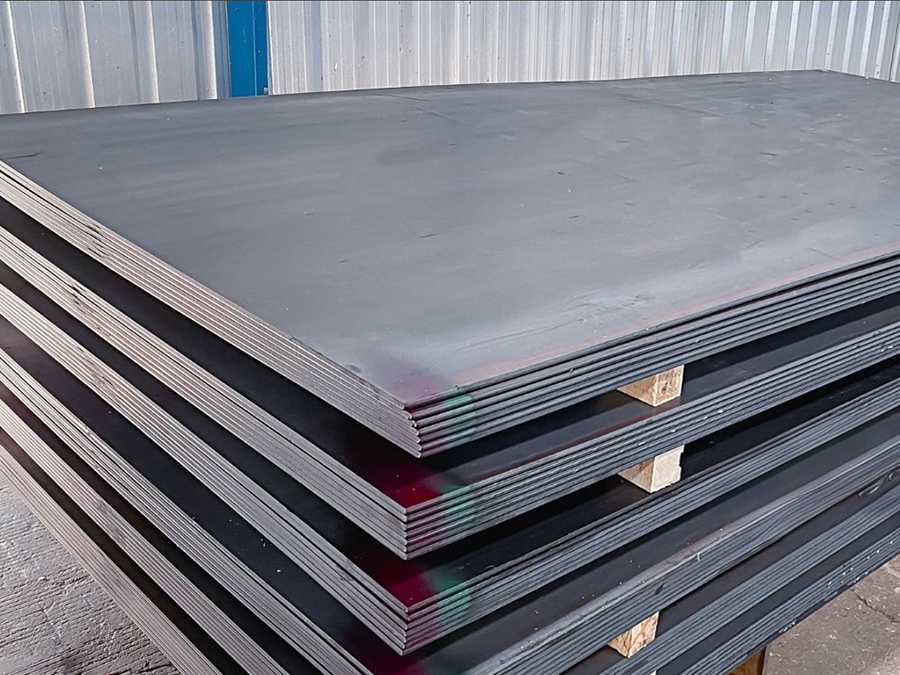
Engineered for the rigorous demands of the manufacturing sector, our Aluzinc steel plate provides a superior alternative to traditional galvanized steel. This Aluzinc steel plate is defined by its specific metallic coating—55% aluminum, 43.4% zinc,
2026-03-04
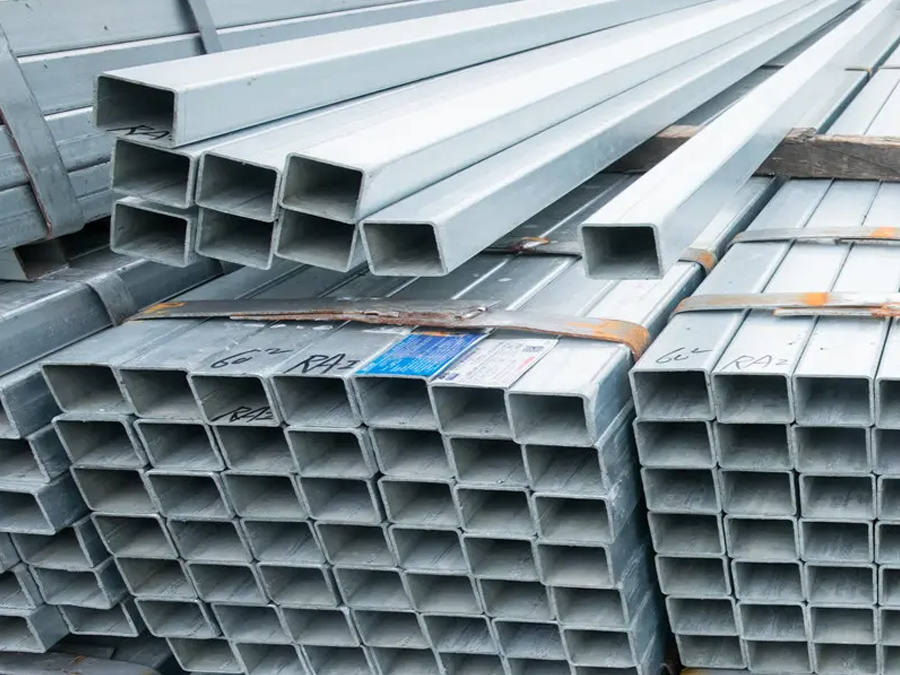
How Channel Steel Enhances Structural Integrity in Building Projects
How Channel Steel Enhances Structural Integrity in Building Projects
Introduction to Channel Steel in Construction
When it comes to modern building projects, the materials selected can significantly impact the structural integrity and longevity of the structures. Among various construction materials, **channel steel** stands out due to its unique shape and properties. This article delves into how
2026-03-03
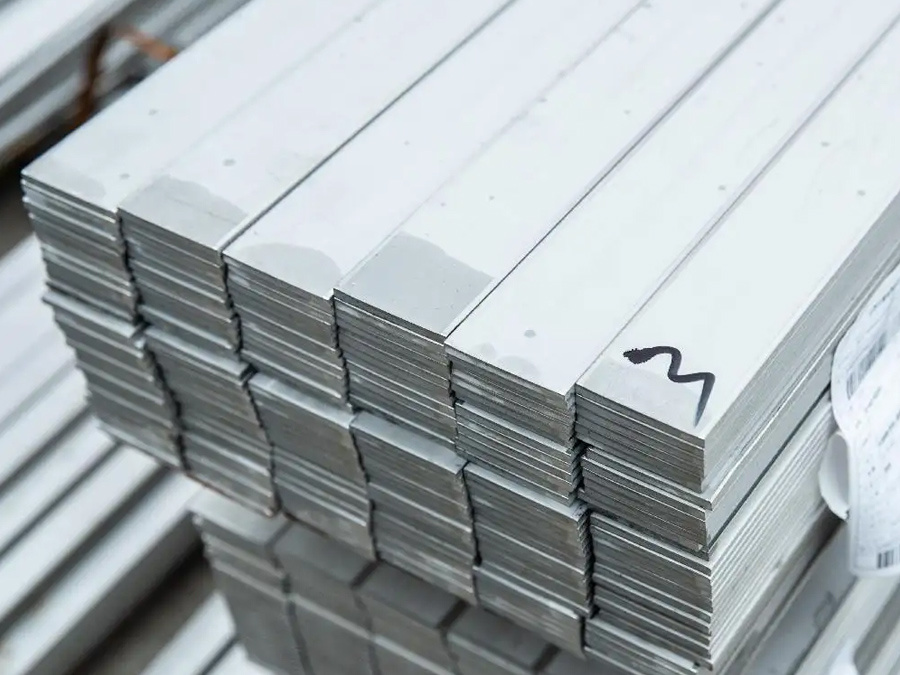
The Versatility and Applications of Flat Steel in Construction and Design
Flat steel is an indispensable component in the construction and decorative materials sector, particularly within the steel industry. Defined by its flat shape, this material can range from sheets and plates to strips, making it incredibly versatile for various applications. Understanding the characteristics and uses of flat steel is crucial for professionals in the field, as it can significantly
2026-02-28


Service E-mail
WhatsApp / Tel / Wechat:
Address
China Hebei Shijiazhuang 30 / F, Block B, China Resources City
To inquire about our products, please leave your email to us and we will contact you within 24 hours.