



The Versatility and Applications of Flat Steel in Construction and Design
2026-02-28
Flat steel is an indispensable component in the construction and decorative materials sector, particularly within the steel industry. Defined by its flat shape, this material can range from sheets and plates to strips, making it incredibly versatile for various applications. Understanding the characteristics and uses of flat steel is crucial for professionals in the field, as it can significantly
Flat steel is an indispensable component in the construction and decorative materials sector, particularly within the steel industry. Defined by its flat shape, this material can range from sheets and plates to strips, making it incredibly versatile for various applications. Understanding the characteristics and uses of flat steel is crucial for professionals in the field, as it can significantly impact project outcomes.
One of the primary advantages of flat steel is its strength-to-weight ratio. Despite being lightweight, flat steel boasts remarkable tensile strength, making it an ideal choice for structural components in buildings, bridges, and industrial applications. This property not only enhances the durability of structures but also allows for more efficient design, as it minimizes the need for excessive support materials.
In addition to strength, flat steel offers excellent machinability. This means it can be easily cut, shaped, and welded, providing architects and builders with a high level of flexibility in design. Whether it’s creating intricate decorative elements or straightforward structural components, flat steel can be tailored to meet specific project requirements. Its adaptability is further complemented by various surface finishes, which can enhance aesthetic appeal and corrosion resistance.
Flat steel is commonly used in a multitude of applications. In construction, it often forms the backbone of beams, columns, and frames, ensuring the integrity and stability of structures. Additionally, it plays a vital role in manufacturing components for appliances, vehicles, and furniture. Its use extends to decorative applications, where flat steel can be fashioned into railings, signage, and other design elements, adding both function and visual interest to spaces.
The sustainability of flat steel is another crucial consideration. As the industry moves towards eco-friendliness, flat steel can be recycled and repurposed, reducing waste and minimizing environmental impact. This characteristic aligns well with modern construction practices that prioritize sustainability and responsible resource management.
When selecting flat steel for a project, professionals should consider factors such as thickness, width, and finishing options. These variables can affect not only the performance of the material but also its integration into the overall design. Collaborating with suppliers who understand the nuances of flat steel can provide invaluable insights, ensuring the right material is chosen for the intended application.
In conclusion, flat steel stands out as a fundamental resource in the construction and decoration sectors. Its strength, versatility, and sustainability make it a preferred choice for numerous applications. By understanding the benefits and characteristics of flat steel, professionals can make informed decisions that enhance their projects while meeting industry standards and client expectations.
One of the primary advantages of flat steel is its strength-to-weight ratio. Despite being lightweight, flat steel boasts remarkable tensile strength, making it an ideal choice for structural components in buildings, bridges, and industrial applications. This property not only enhances the durability of structures but also allows for more efficient design, as it minimizes the need for excessive support materials.
In addition to strength, flat steel offers excellent machinability. This means it can be easily cut, shaped, and welded, providing architects and builders with a high level of flexibility in design. Whether it’s creating intricate decorative elements or straightforward structural components, flat steel can be tailored to meet specific project requirements. Its adaptability is further complemented by various surface finishes, which can enhance aesthetic appeal and corrosion resistance.
Flat steel is commonly used in a multitude of applications. In construction, it often forms the backbone of beams, columns, and frames, ensuring the integrity and stability of structures. Additionally, it plays a vital role in manufacturing components for appliances, vehicles, and furniture. Its use extends to decorative applications, where flat steel can be fashioned into railings, signage, and other design elements, adding both function and visual interest to spaces.
The sustainability of flat steel is another crucial consideration. As the industry moves towards eco-friendliness, flat steel can be recycled and repurposed, reducing waste and minimizing environmental impact. This characteristic aligns well with modern construction practices that prioritize sustainability and responsible resource management.
When selecting flat steel for a project, professionals should consider factors such as thickness, width, and finishing options. These variables can affect not only the performance of the material but also its integration into the overall design. Collaborating with suppliers who understand the nuances of flat steel can provide invaluable insights, ensuring the right material is chosen for the intended application.
In conclusion, flat steel stands out as a fundamental resource in the construction and decoration sectors. Its strength, versatility, and sustainability make it a preferred choice for numerous applications. By understanding the benefits and characteristics of flat steel, professionals can make informed decisions that enhance their projects while meeting industry standards and client expectations.
Key words:
RELATED INFORMATION
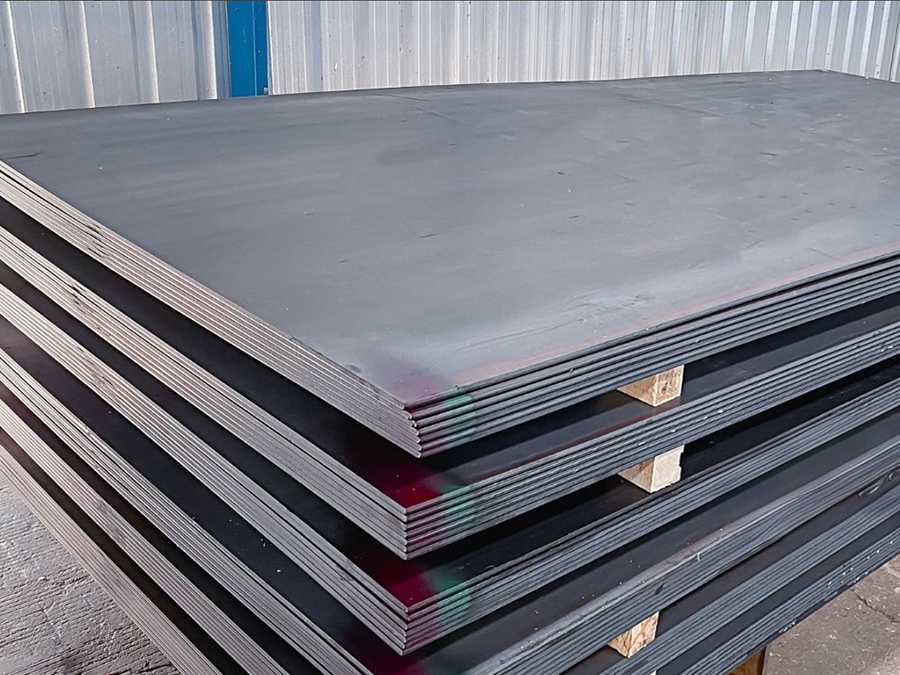
Engineered for the rigorous demands of the manufacturing sector, our Aluzinc steel plate provides a superior alternative to traditional galvanized steel. This Aluzinc steel plate is defined by its specific metallic coating—55% aluminum, 43.4% zinc,
2026-03-04
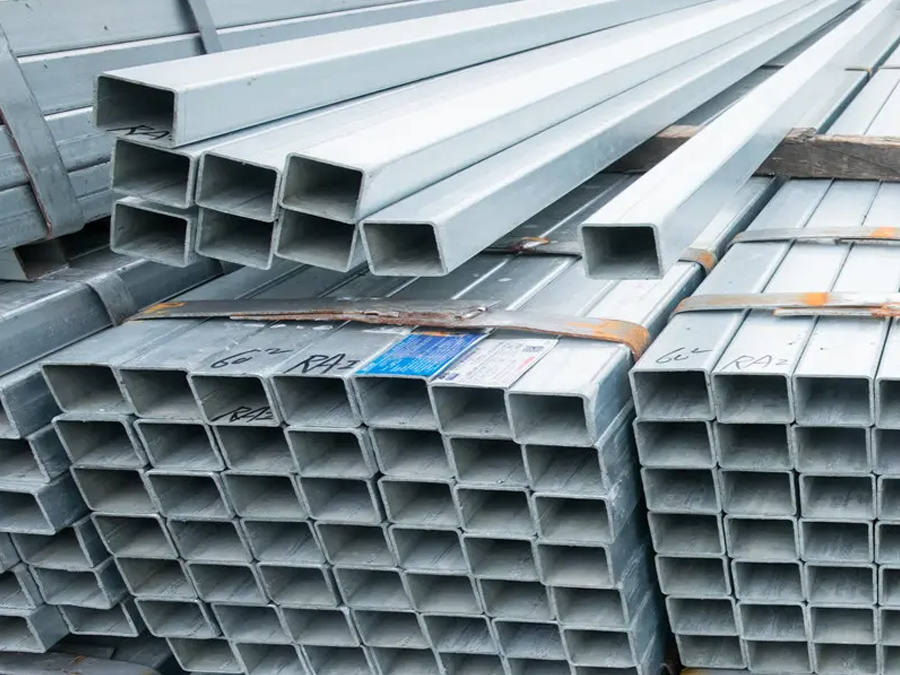
How Channel Steel Enhances Structural Integrity in Building Projects
How Channel Steel Enhances Structural Integrity in Building Projects
Introduction to Channel Steel in Construction
When it comes to modern building projects, the materials selected can significantly impact the structural integrity and longevity of the structures. Among various construction materials, **channel steel** stands out due to its unique shape and properties. This article delves into how
2026-03-03
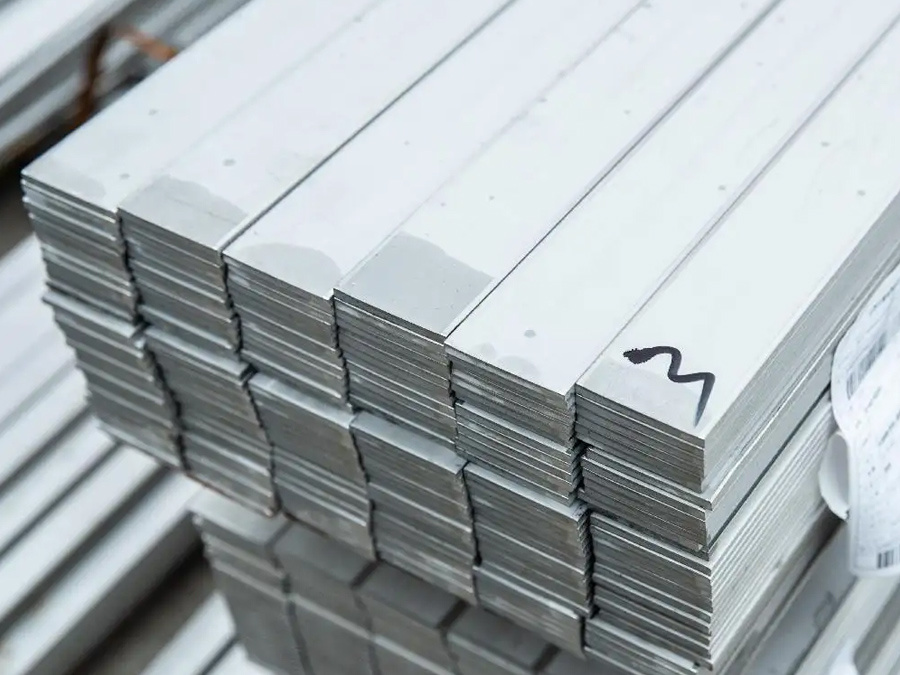
The Versatility and Applications of Flat Steel in Construction and Design
Flat steel is an indispensable component in the construction and decorative materials sector, particularly within the steel industry. Defined by its flat shape, this material can range from sheets and plates to strips, making it incredibly versatile for various applications. Understanding the characteristics and uses of flat steel is crucial for professionals in the field, as it can significantly
2026-02-28


Service E-mail
WhatsApp / Tel / Wechat:
Address
China Hebei Shijiazhuang 30 / F, Block B, China Resources City
To inquire about our products, please leave your email to us and we will contact you within 24 hours.